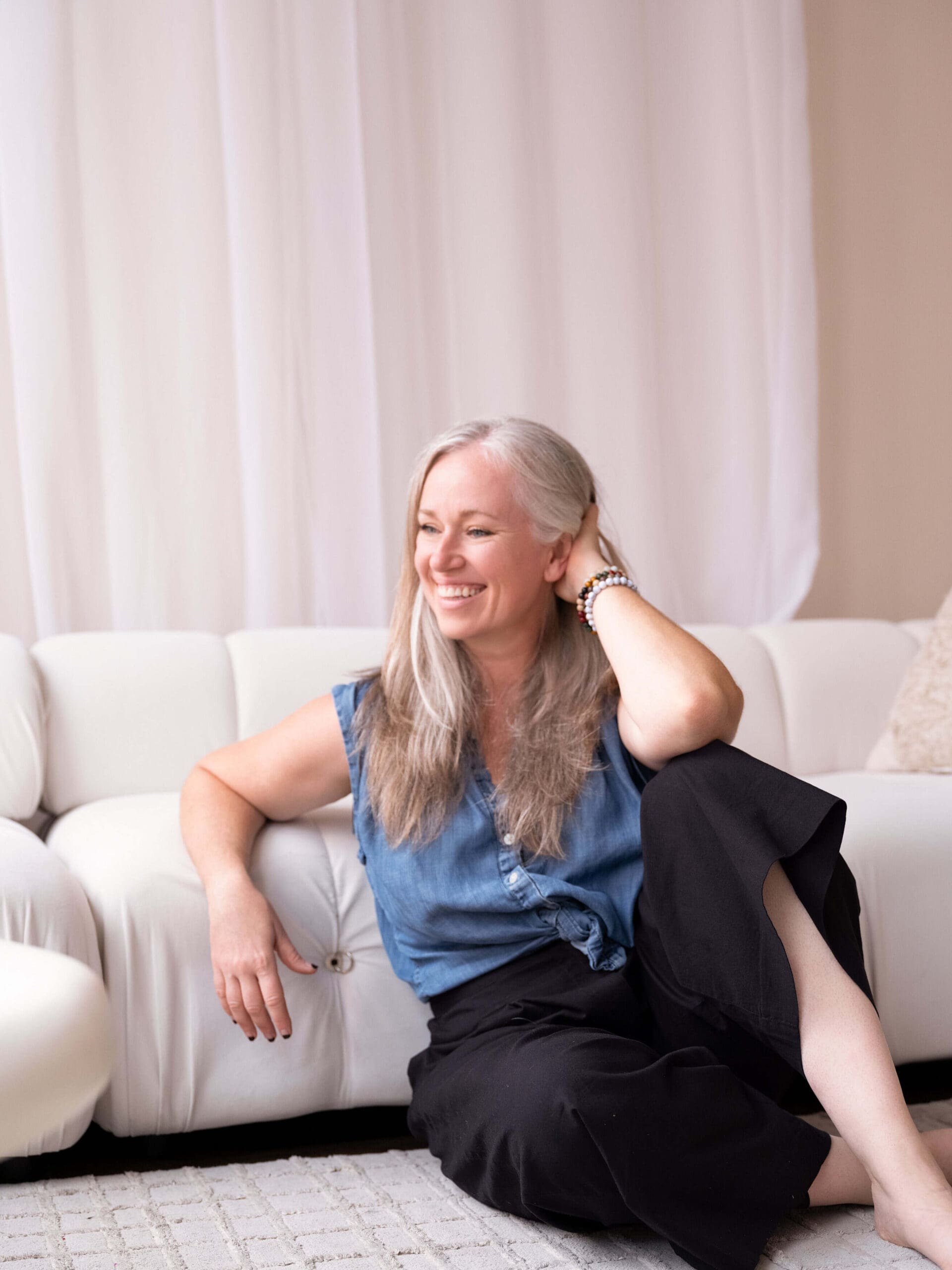
I’ve started calling myself a writer-first photographer. This is my story of why.
Picture a typical networking event. Everyone’s going in a circle, introducing themselves, and my turn comes, and the thing that’s supposed to just happen, the volume, the projection, being charming and heard over twenty other conversations about one of my favorite subjects (photography, obviously)… it just doesn’t.
Sometimes my voice cracks mid-sentence, mid word. Sometimes it just stops, full stop, right there in front of everyone, and there’s a beat where I can feel my own throat betray me. That beat never gets easier. I’ve just gotten better at sitting inside it and not making it weird. Or making it weird on purpose, honestly, whatever works.
This has been my reality for seven or eight years now. Spasmodic dysphonia. A vocal condition that shows up as pinching, strain, crackling, a voice that flat out refuses to project the way a room full of strangers expects it to. Genetic, maybe. Life stress stacked on top of something that was probably always there, more likely. Nobody hands you a clean answer with this one, it’s the Wild West out there. No cure. A pile of curious remedies to try. Or a large needle full of Botox straight into your vocal cords. Yep. That’s a real sentence in my real life now.
When the Room Got Smaller. The Listening Got Bigger.
Here’s what nobody tells you about losing reliable access to your own voice. It doesn’t just change how you talk. It changes how you listen.
My go-to networking events stopped working for me first. Loud rooms. Going-around-the-circle introductions. The assumption that everyone can just speak up and project on command, like it’s a switch you flip. I had people ask me to do exactly that, more than once, and it just… wasn’t happening. There’s a particular kind of embarrassment in standing there while a room waits on a voice you don’t currently have. I know that embarrassment intimately now.
One-on-one conversations, though, those I could work with. Still can. Harder over the phone than in person, I’ll say that much. Caffeine doesn’t help. Stress doesn’t help. Calm does. And somewhere in there I started doing something that’s second nature to me now: I tell people upfront. Heads up friend, I have a vocal condition, I’m going to stay close and try to look right at you when I talk, stop me if you need to.
I was already a world class listener before any of this, that part didn’t need building. What changed is the ratio. Listening went up. Speaking, out loud anyway, went way down. And something I wasn’t expecting came along for the ride: patience. Mine, and other people’s too, which I did not see coming.
What It Means to Be a Writer-First Photographer
My love of writing was already there. It just got promoted.
I didn’t discover writing because of spasmodic dysphonia, it was always mine, a style I’d been honing for years, long before any of this started. What happened is I leaned on it harder. 1:1 coffee conversations instead of sales calls. Emails, social media posts and written commentary instead of picking up the phone. A tool I already loved turned into a tool I needed, and there’s a real difference between those two. I felt the shift the first time I caught myself choosing to write something not because it was easier, but because it was the only way I trusted myself to say it right.
And that’s what it means to be a writer-first photographer. Not writer instead of photographer. Writer first, meaning that’s where the process starts, every time.
Before I ever pick up a camera, I’ve already started to build a story in my head. A mini biography of the person in front of me, their particular, unique, unrepeatable details, worked out on the “page” before we’ve worked out a single pose. I’m an information gatherer before I’m anything else. That’s what gives me clarity. That’s what lets me come back to a client with a real game plan instead of a guess, so we’re both on the same page before a single frame gets shot.
I’m a natural observer too. Body language. Word choice. The familiar and unfamiliar ways people carry themselves. All of it gets folded into the story I’m already writing about someone before they’ve even sat down in front of my lens.
There is a Gift Hiding Inside the Limit
Here’s the part that surprised me, still surprises me honestly. Telling people about my voice doesn’t usually make them tune out. It makes them lean in closer. Sometimes because they need to, to actually catch what I’m saying. Sometimes just out of genuine curiosity about the condition, which I’m always happy to talk through, ask away. So maybe now I’m actually heard on a deeper level which is pretty cool when I’m waxing poetic.
I’ve also had people cut me out of conversations completely. Not in a cruel way. I think it’s discomfort, theirs, not mine, not knowing whether to ask more or just settle into the slower rhythm of talking with me which can be intense when you don’t know someone well. I used to take that personally. Now I mostly just clock it and keep moving.
My favorite reactions, hands down, are the concerned cashiers at my local grocery store asking if I’m okay because I sound so emotional. Which is kind of sweet, honestly. And for them I break out the old, “I had so much fun when I was young, I totally blew my voice out early belting my favorite songs at rock concerts and have never fully recovered.” Works every time, and makes them laugh like we’re sharing a secret.
More than once, that honesty has cracked something open in a client too. I’ve had people tell me about their own stuff around being heard, public speaking, the particular terror of showing up online in their own voice. Different root, same fear. And watching someone unclench a little because I went first, because I admitted the thing that scares me… that’s not a burden. That’s the actual work, that’s the whole point.
What I Want You to Know
Because here’s the incredible thing about visuals, they don’t need vocal cords. A photograph doesn’t require volume or projection. It just needs someone willing to be seen. I didn’t get to choose losing part of my voice (I’d really love to have my killer business phone voice back). But I get to choose what I build with what’s left of it, which is a lot most days.
I hope you walk away from this knowing more about how a writer-first photographer actually works. The listening. The writing. The story built long before the shutter ever clicks. But more than that, I want you to know this. The thing that limits you doesn’t have to stay only a limit. Mine turned into the sharpest tool I’ve got.
Onward. xx J.


Read the Comments +